
Pandrol Works Towards Decarbonisation Of Its Product Range
As part of its commitment to sustainability, Pandrol is working towards decarbonising its product range, which starts with measuring its impact on the environment through an Environmental Product Declaration (EPD) or Product Carbon Footprint (PCF).
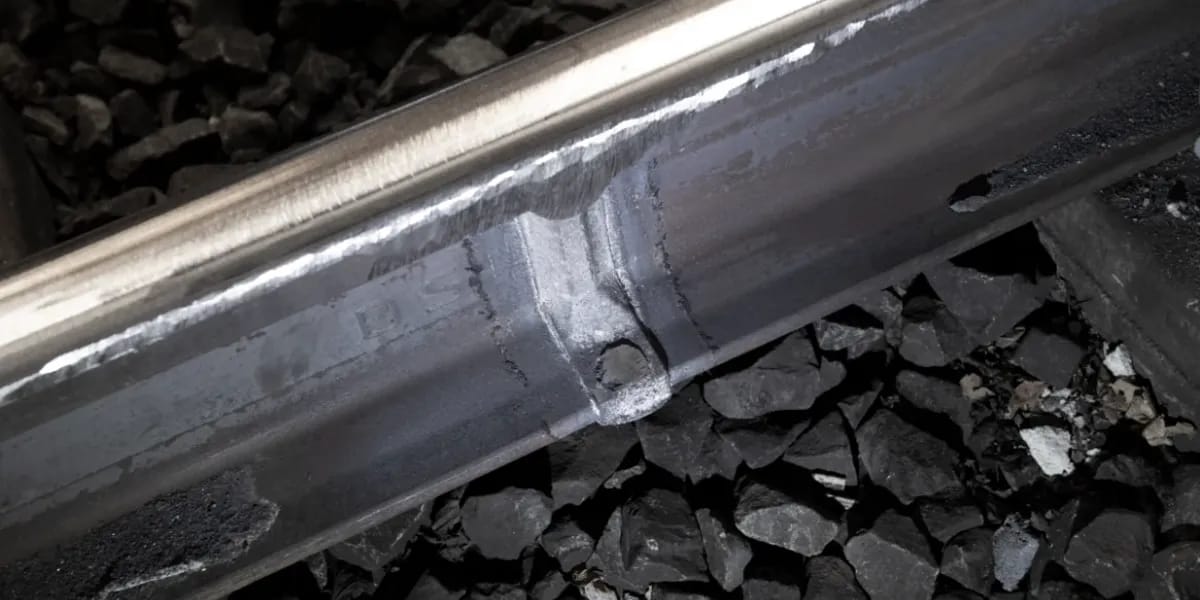
A Product Carbon Footprint measures the total greenhouse gas emissions generated throughout a product’s life cycle, from raw material extraction to manufacturing and installation. It follows international standards like ISO 14040 and ISO 14044 and provides a detailed breakdown of where emissions occur.
To be able to measure this effectively, Pandrol worked with several providers, including SouthPole, a leading provider of global climate action solutions, which has carried out the analysis of the Production Carbon Footprint of its aluminothermic welding product. The results have been validated by Bureau Veritas, a world leader in testing, inspection and certification.
The recent PCF assessment specifically focuses on Pandrol’s PLA and PLA Evo products, two aluminothermic welding processes designed to improve performance, optimise track quality and lengthen the life of the weld.
The PCF assessment provided Pandrol with a detailed breakdown of the carbon impact of its aluminothermic welding product, allowing the company to identify components and processes with the highest environmental impact. Pandrol can utilise this information to extrapolate the footprints of its other processes and reduce its carbon footprint even further.
Beyond guiding product development, a PCF is a cornerstone in a broader decarbonisation and sustainability strategy to reduce carbon across operations and lessen the impact on the environment.
As a global leader in rail infrastructure solutions, Pandrol is committed to reducing the environmental impact of its manufacturing processes and the installation of its solutions to support lower-carbon transport infrastructure.
The company has already integrated a number of actions to reduce its carbon footprint, from on-site solar panels to more efficient processes and active suppliers’ engagement.
Related news
Pandrol demonstrates importance of innovation in rail engineering as official partner for World Engineering Day.
Pandrol, a leading designer and manufacturer in the rail infrastructure sector, is proud to be an official partner for UNESCO World Engineering Day (WED 2026) for the second year running.
Pandrol France Celebrates Latest Gold Ecovadis Sustainability Rating
Pandrol France, a global leader in designing, installing and maintaining railway infrastructure, has been awarded a Gold Medal in the latest EcoVadis sustainability ratings for the fifth consecutive year.
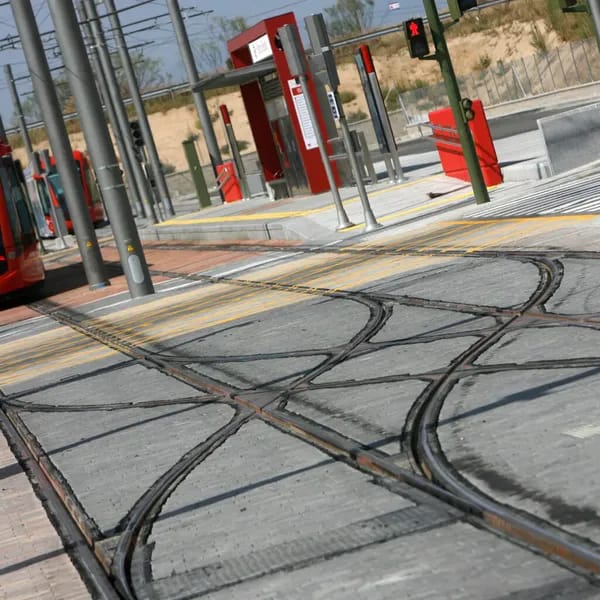
Pandrol Celebrates 18 Years Of Collaboration With Madrid Metro
Pandrol is celebrating 18 years of collaboration with Metro Ligero Oeste, the light railway system in Madrid that serves the western suburbs of the city.