Rail Stress Management
Expertise you can rely on
Buckles and breaks represent a significant but hidden risk to track engineers, and they must be actively managed to maintain safety and operational efficiency of rail networks. With the increasing effects of climate change, the risk of track failure due to extreme temperatures is growing. With this emerging threat, the active management of rail stress is more critical than ever.
Industry best practice is for railways to manage rail thermal stresses through proactive monitoring and maintenance of the Stress Free Temperature (SFT) of the rail. By establishing and maintaining the SFT for the rails, track engineers can balance the peak tensile and compressive stresses within the rails, minimizing the risk of buckles and breaks occurring.
Pandrol extensive capabilities in supporting customers to mitigate the risks associated with Rail Stress Management. Our experience spans the full life cycle of the railway.
This starts with the design of the track structure: Pandrol can design, specify and supply track components that optimise the long term structural integrity of the track.
We specialize in monitoring and maintaining the SFT of rail. By partnering with Pandrol, networks can take a proactive approach to RSM, ensuring efficient network operation. Our proven products support customers around the world maximise track safety, availability and lifetime value.
Rail Stress Management Resources
Discover the latest innovations in rail stress management through our expert-led webinar. Learn how advanced measurement, monitoring, and maintenance techniques can optimise track performance and reduce operational challenges.
Webinar
Explore a dedicated technical pack presenting the VERSE system, including its operating principles, key features, and the measurement approach used to manage rail stress with precision.
Verse technical pack
Our Products and Solutions
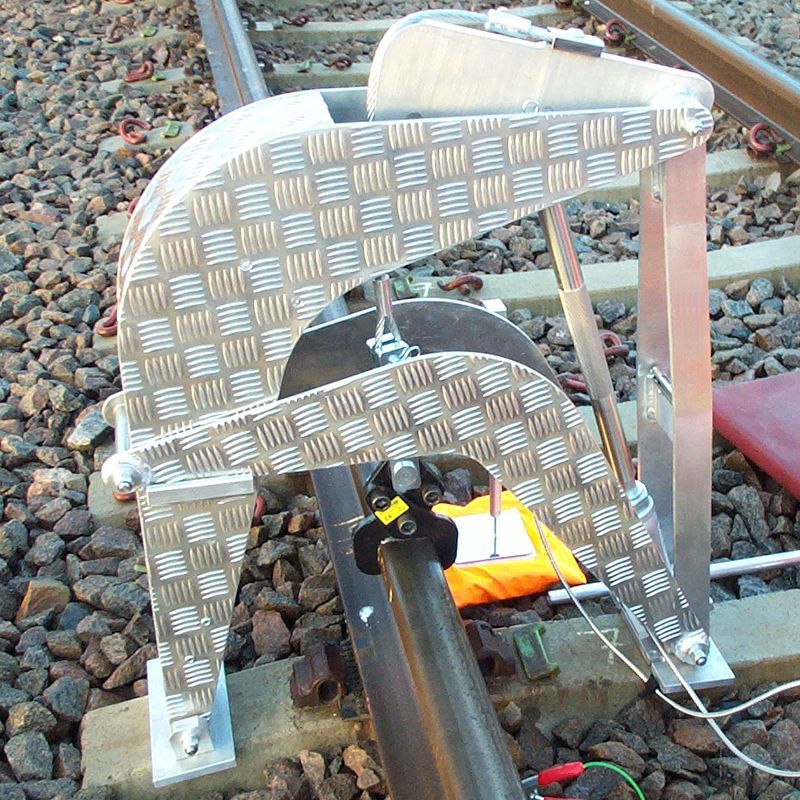
Pandrol VERSE® stress free temperature system is a giant leap for track safety management, risk reduction and new track quality acceptance.
Stress free temperature
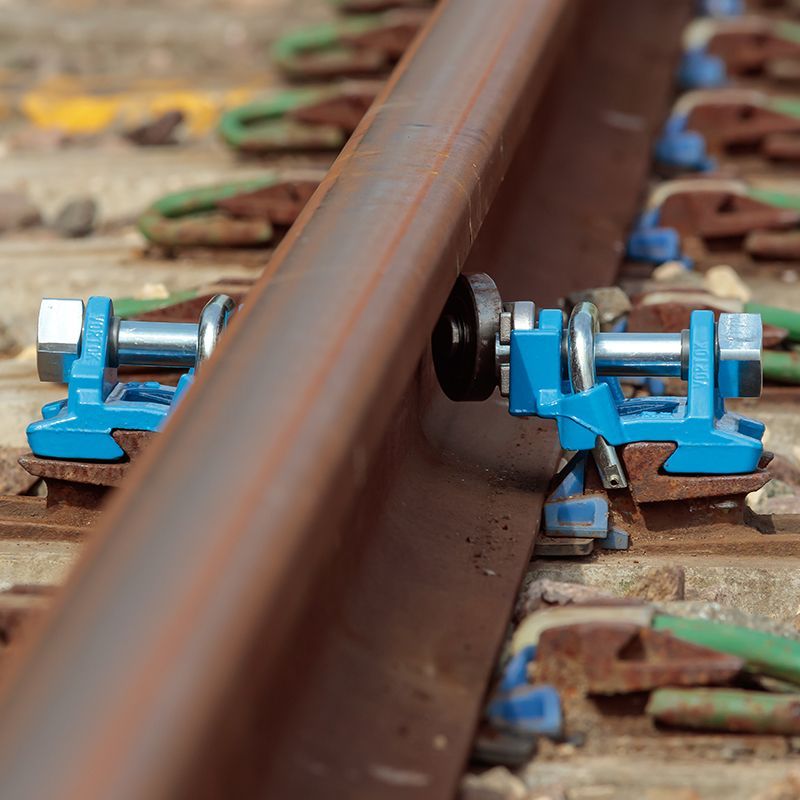
Once lifted, the rail can be moved with very low friction for the purposes of rail stressing. The resultant stress distribution is, therefore, optimised.
Vortok Stressing Roller
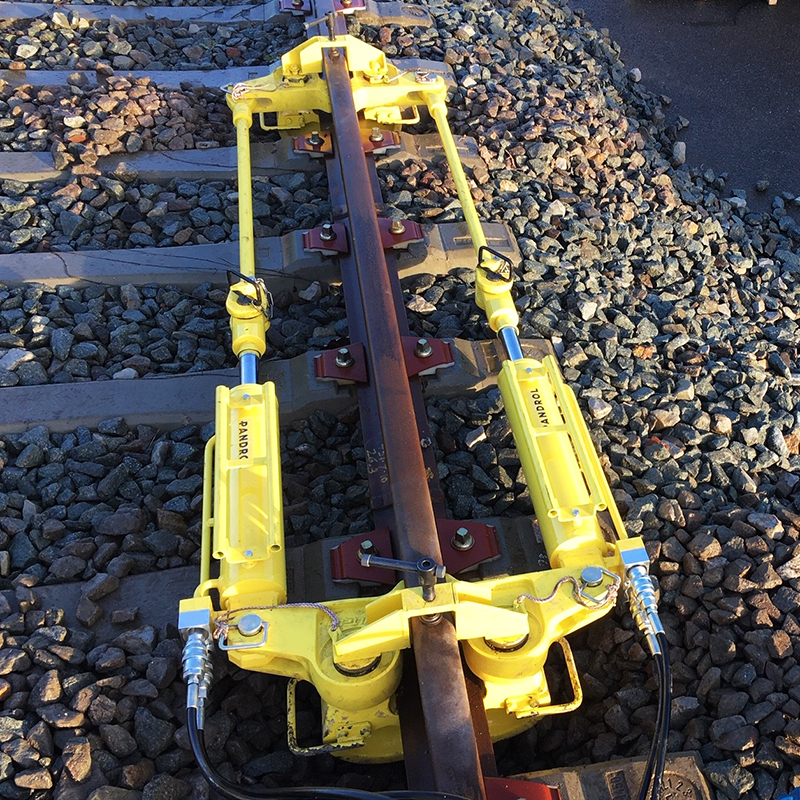
It is used during maintenance works to stretch long welded rails before aluminothermic welding and to secure the tensioned rail while cutting. It is capable of joining and maintaining a constant gap between the two rail ends.
Rail Stressor TR75
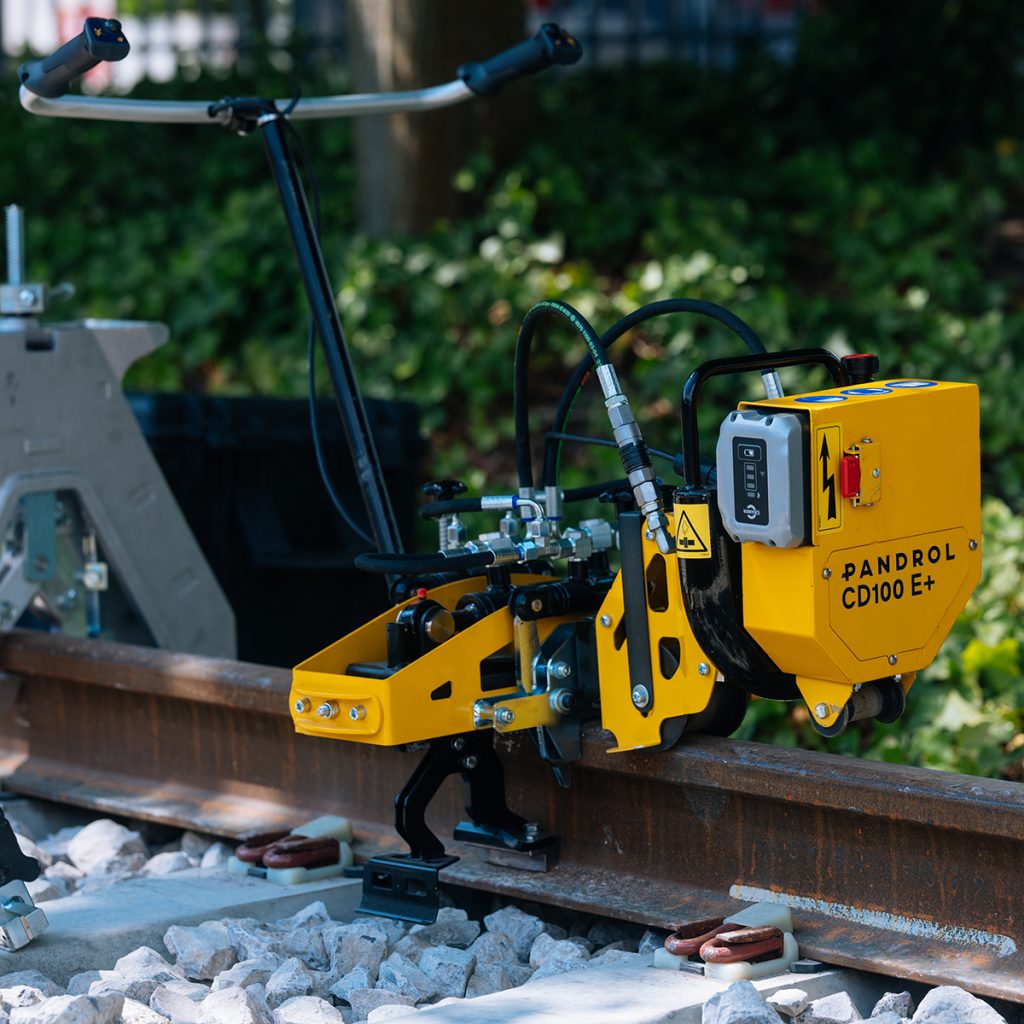
Pandrol Clipping Machines
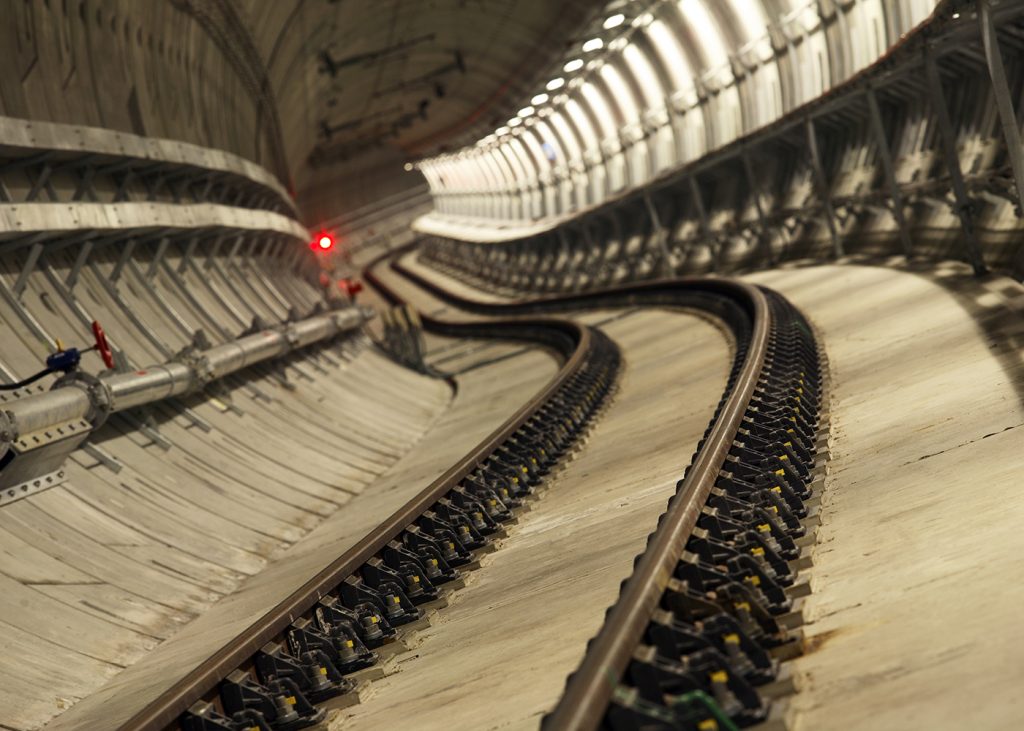
Fastening Systems