Featured Project
 Urban & Transit
- Italy
Protecting Historic Cities with Low-Noise, Low-Vibration Tram Infrastructure
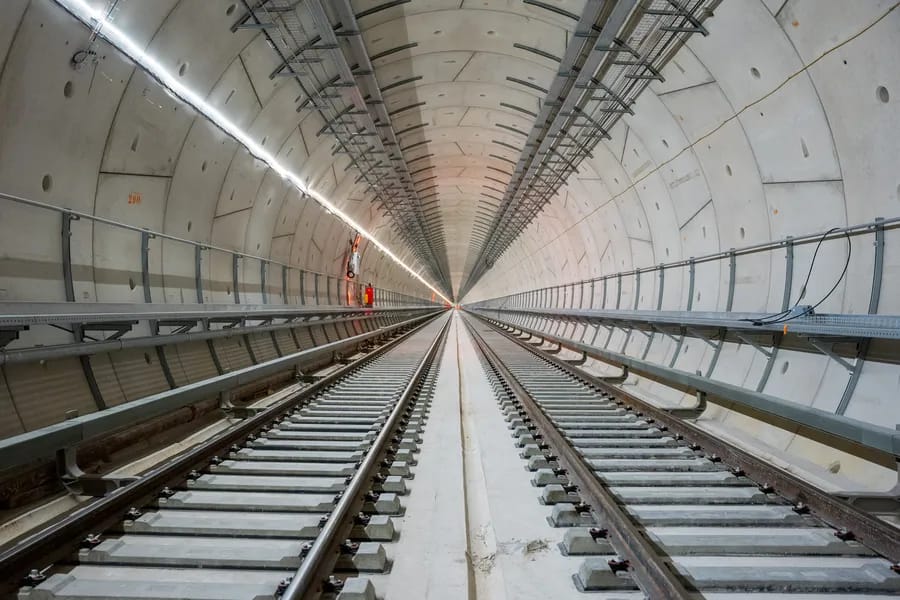
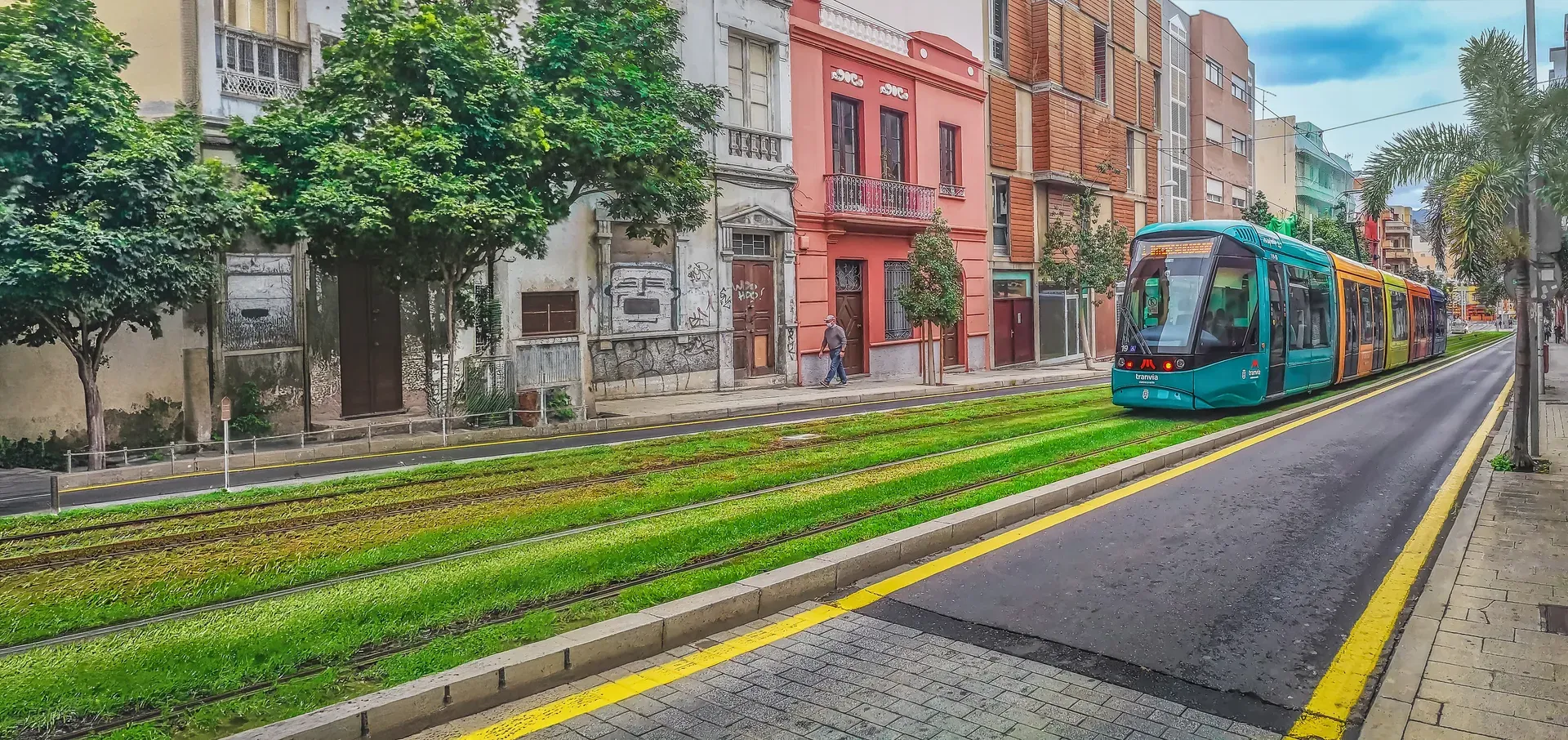
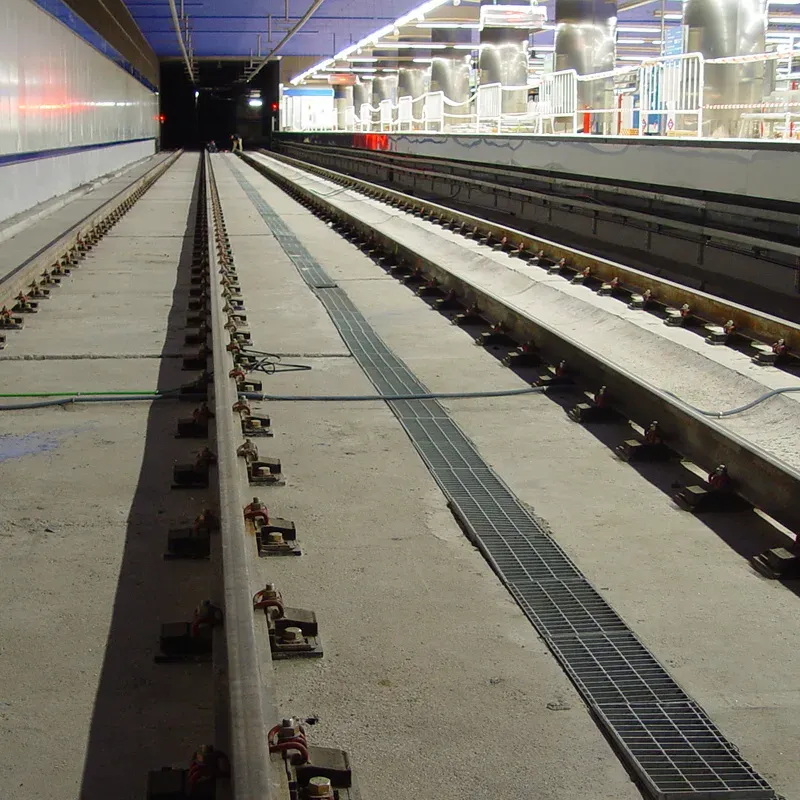
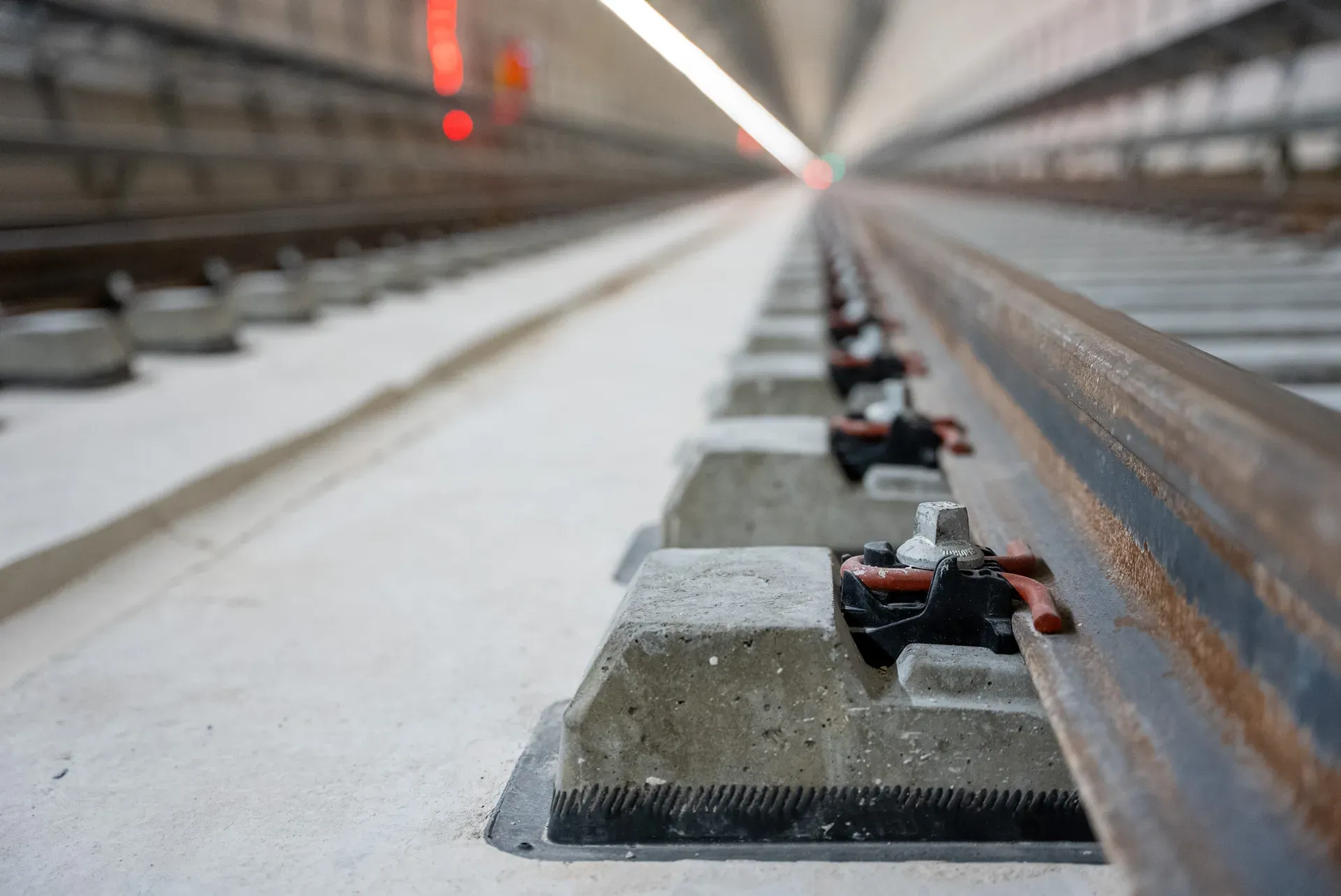
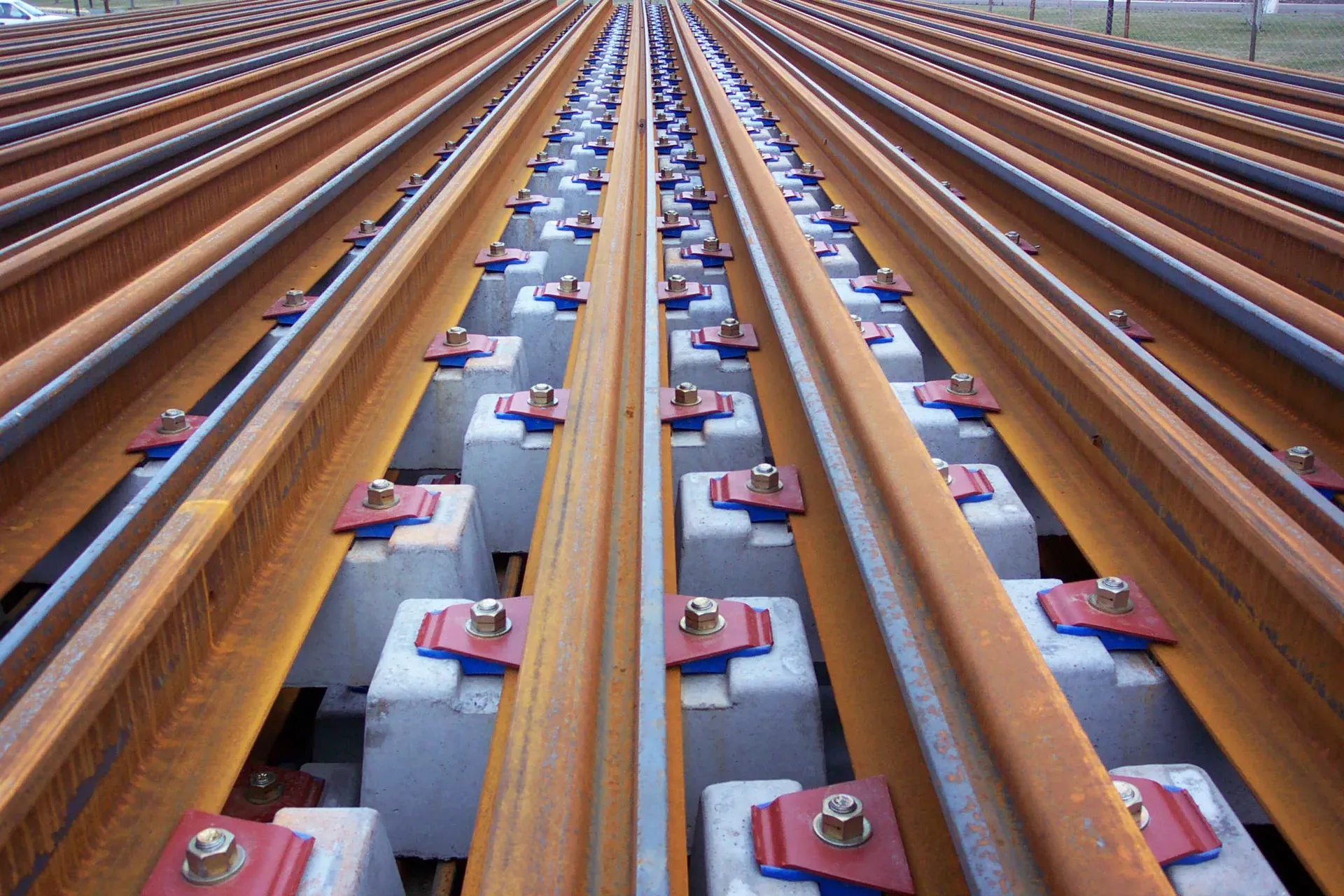
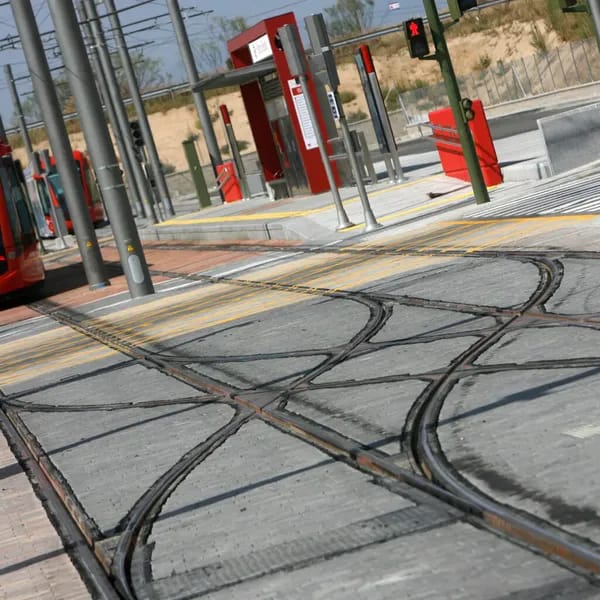
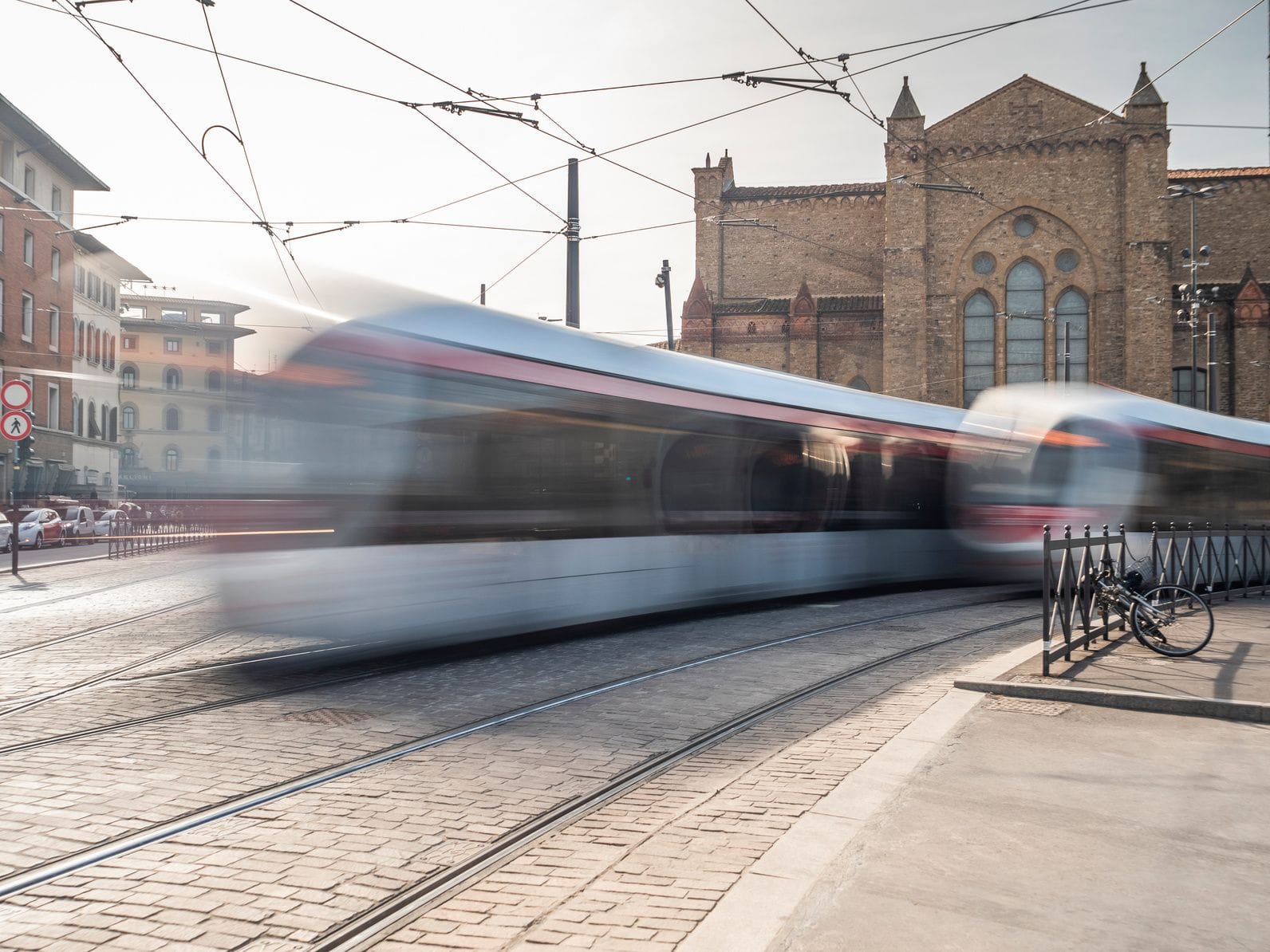
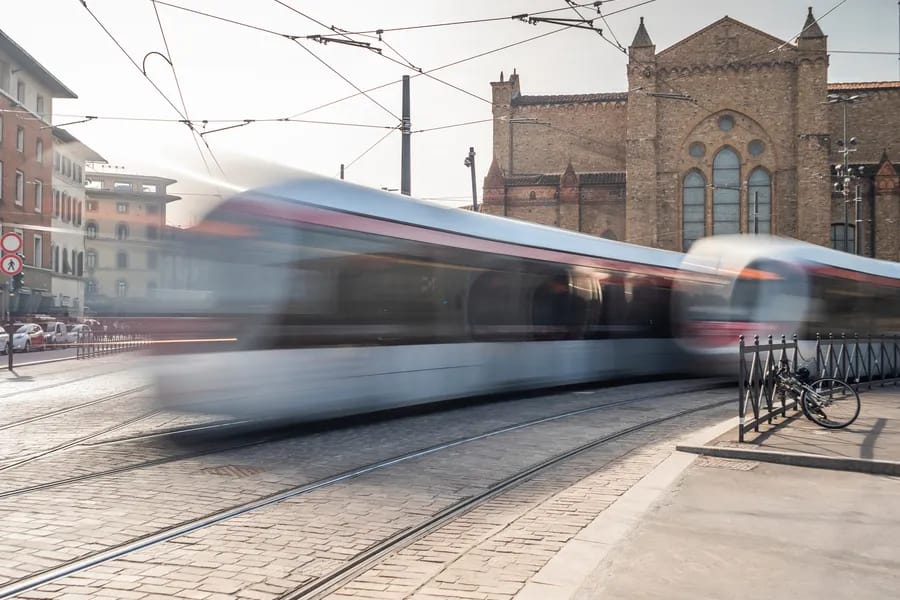
The latest extension to the Florence tramway is benefiting from an innovative solution from Pandrol, which will help to reduce noise and vibration in this historic city, renowned for its impressive renaissance architecture and unique Roman heritage.
Read the project