Rail Fastenings Systems

SD-HSS

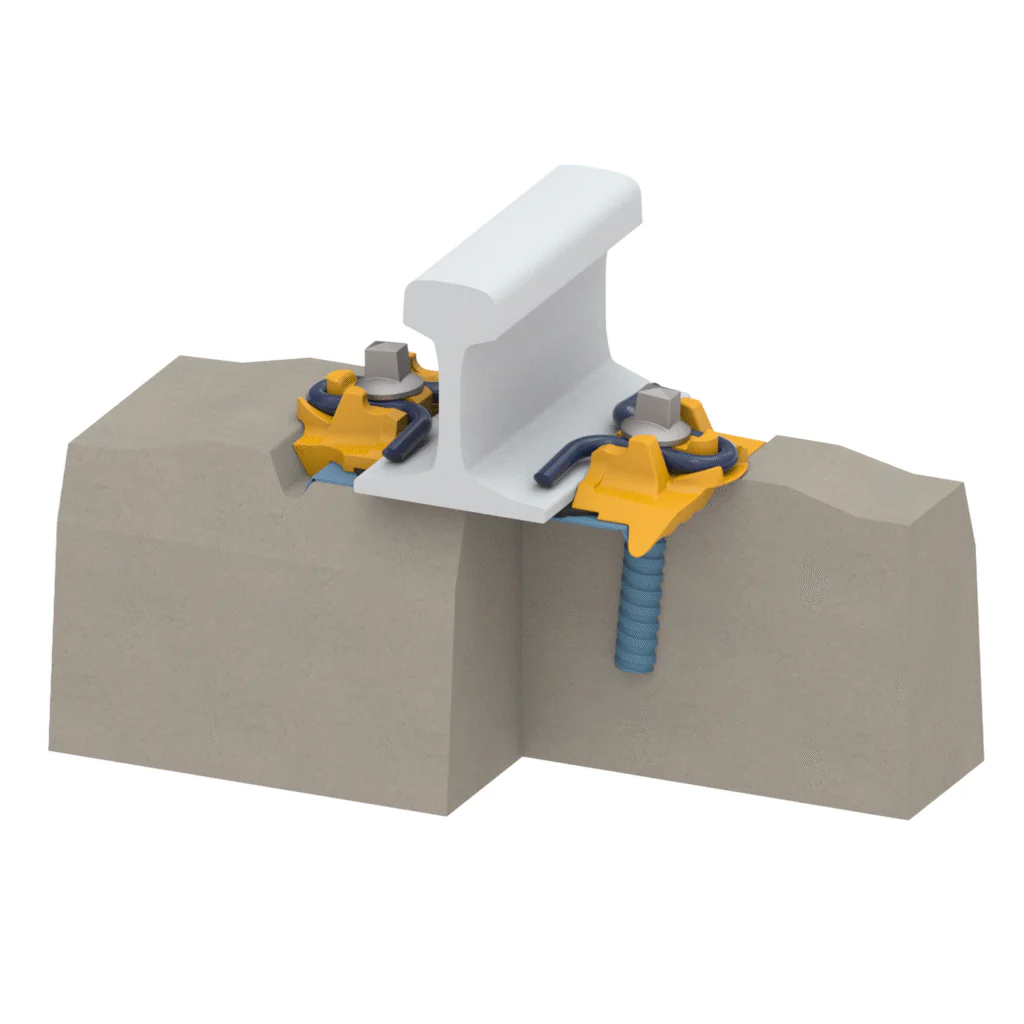
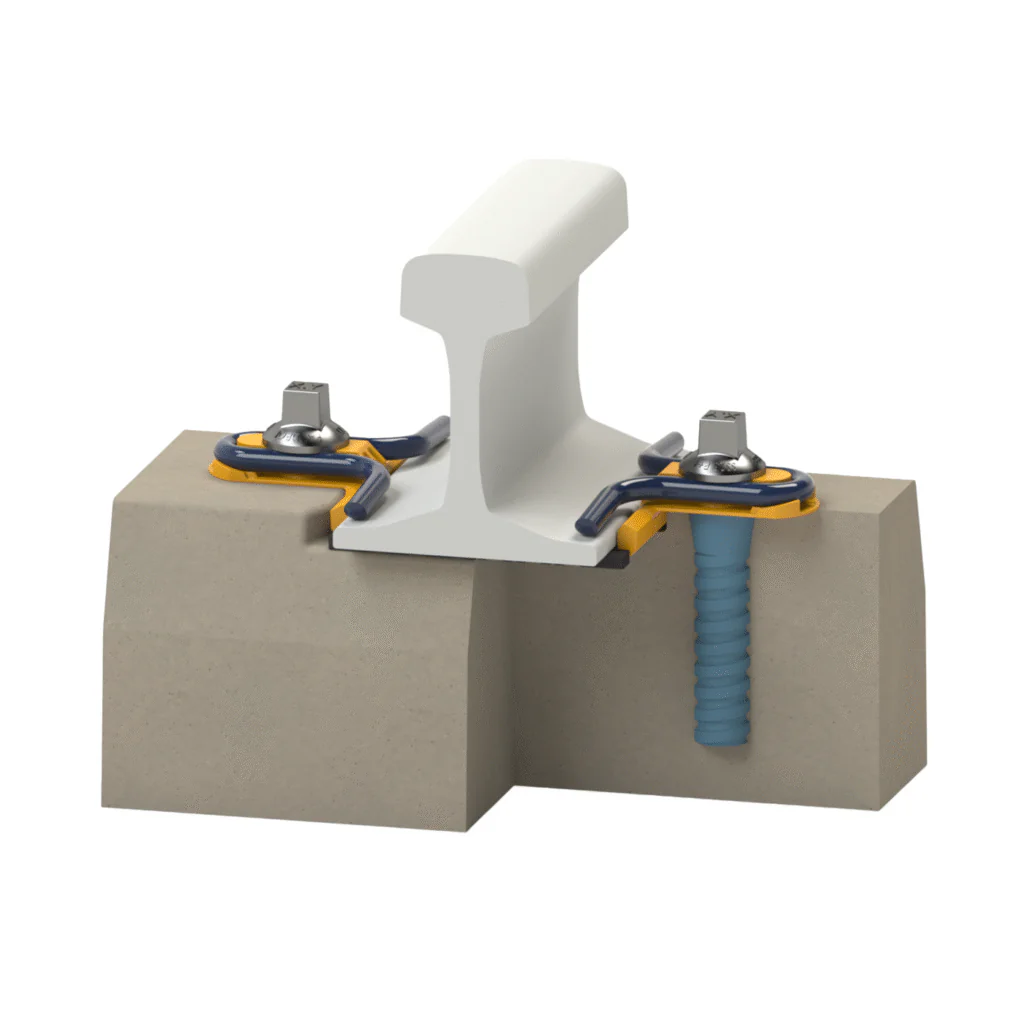
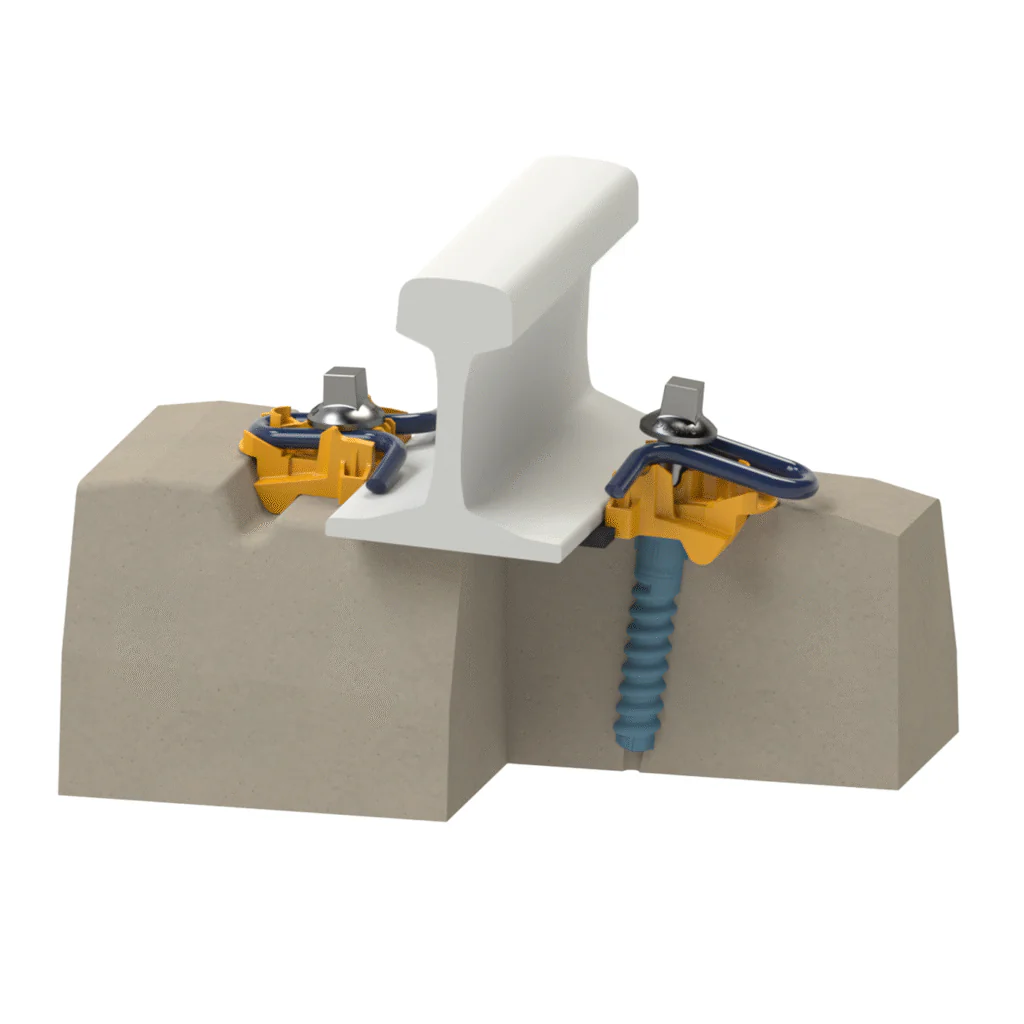
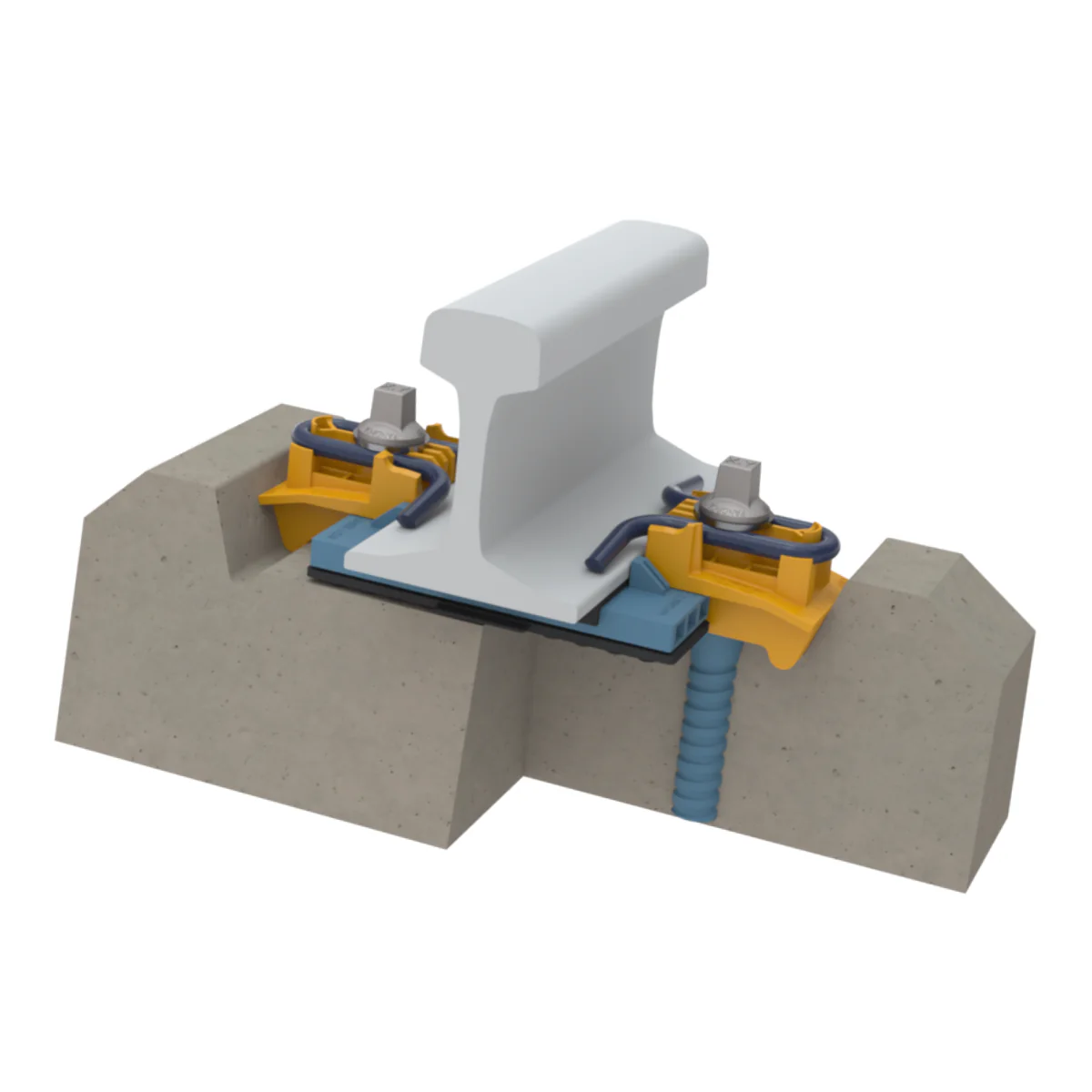
SD-HSS is designed for high speed lines on precast concrete slab tracks, offering high levels of attenuation and electrical insulation. This durable and reliable threaded fastening solution has been developed to fit in W shaped rail seats. SD-HSS can deliver higher rates of construction thanks to its efficient controlled clip guidance from ‘parked’ to the ‘in-service’ position. The system is characterised by a compact and robust design with a lower carbon footprint. Its optimised geometry also enables automatic installation, resulting in improved efficiency and cost savings during installation and maintenance.
Advantages

01

Versatile

The SD-HSS system enables vertical adjustments to be made quickly, easily and without the need to fully disassemble the fastening. Minimal additional parts are needed; just rail shims and longer screws in extreme cases.

02

Resilient

As the SD-HSS system has minimal metal components, the risk of corrosion is very low. This makes it an attractive option for ensuring long service life in wet track conditions, such as tunnels.

03

High electrical insulation

It also ensures a very high level of electrical resistance, without any use of additional rail clip insultators or grease.

Technical features

01

Direct fastening

SD-HSS is a direct fastening system, meaning the rail is attached directly to the slab.

02

Electrical insulation

The SD-HSS top baseplate and insulators are made of polyamide which provides an exceptionally high level of electrical insulation all around the rail.

03

Pre-assembled units

The SD-HSS system is usually supplied as captive components, pre-assembled on precast slabs that are ready for top-down track construction methods.

04

Track-structure interaction

The SD clips are available in low toe load and a zero longitudinal restraint (ZLR) configuration, typically for use on bridges and viaducts when track-structure interaction effects need to be dealt with in the rail fastening assembly.

05

Robust and durable

Designed to avoid frequencies where destructive amplitudes are generated, causing the clip to fail in fatigue. A significant increase in the natural frequency is key to increase the robustness of the tension clamp.

Tell us about your project